
For many buyers, it’s the perfect mix of lifestyle and investment – a place to escape for long weekends while generating income when you’re not there.
With world-class beaches, a relaxed coastal lifestyle and strong tourism demand, the Sunshine Coast continues to attract both Australian and international buyers looking for holiday apartments and short-term rental investments.
But before you commit, it’s important to understand the pros, costs and key factors that influence whether a holiday unit will perform well as an investment.
Here’s what to know before buying a Sunshine Coast holiday property.
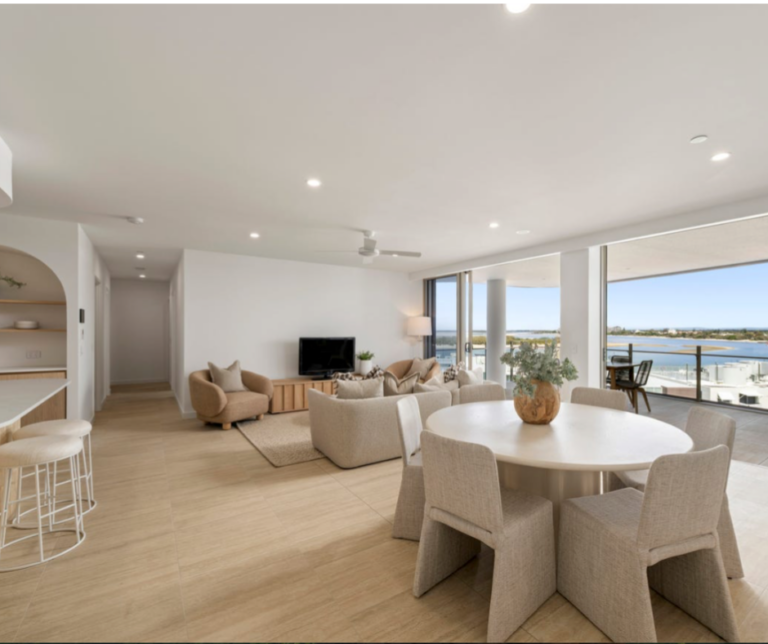
One of the biggest reasons buyers invest in a Sunshine Coast holiday apartment is simple: lifestyle.
With warm weather, beautiful beaches and outdoor activities year-round, the region is one of Australia’s most popular holiday destinations.
Owning a holiday unit means you can enjoy the Sunshine Coast whenever you like – without the ongoing cost of booking accommodation every visit.
Whether it’s weekends in Noosa, Caloundra, Mooloolaba or Coolum, your own holiday property gives you a base to relax and recharge.
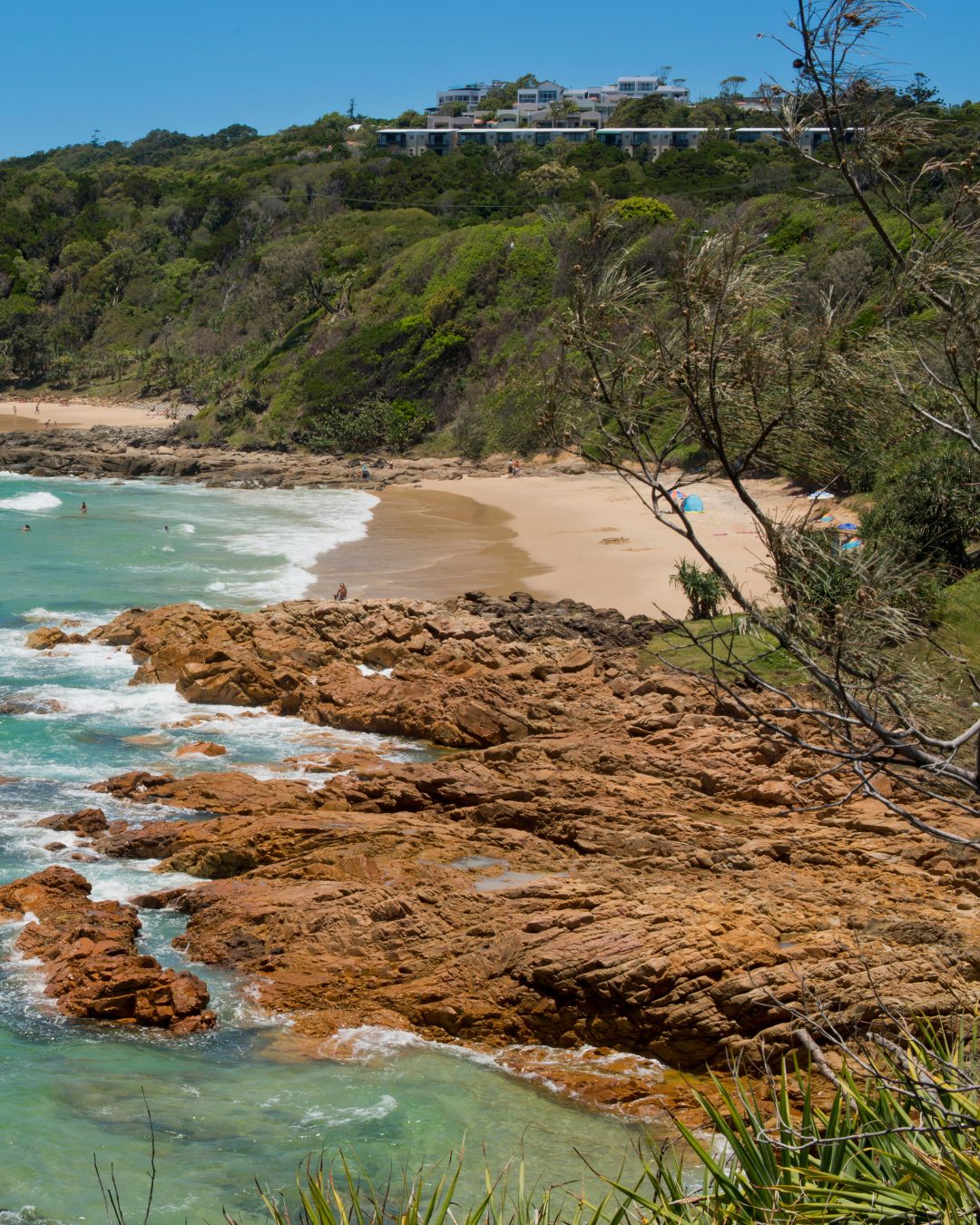
A holiday unit can also generate short-term rental income.
Many owners choose to rent their property to holidaymakers through platforms like Airbnb or Stayz (subject to local council regulations and building bylules).
Depending on the property, location and demand, this can create a strong income stream during peak holiday periods such as:
Popular Sunshine Coast areas with strong short-term rental demand include:
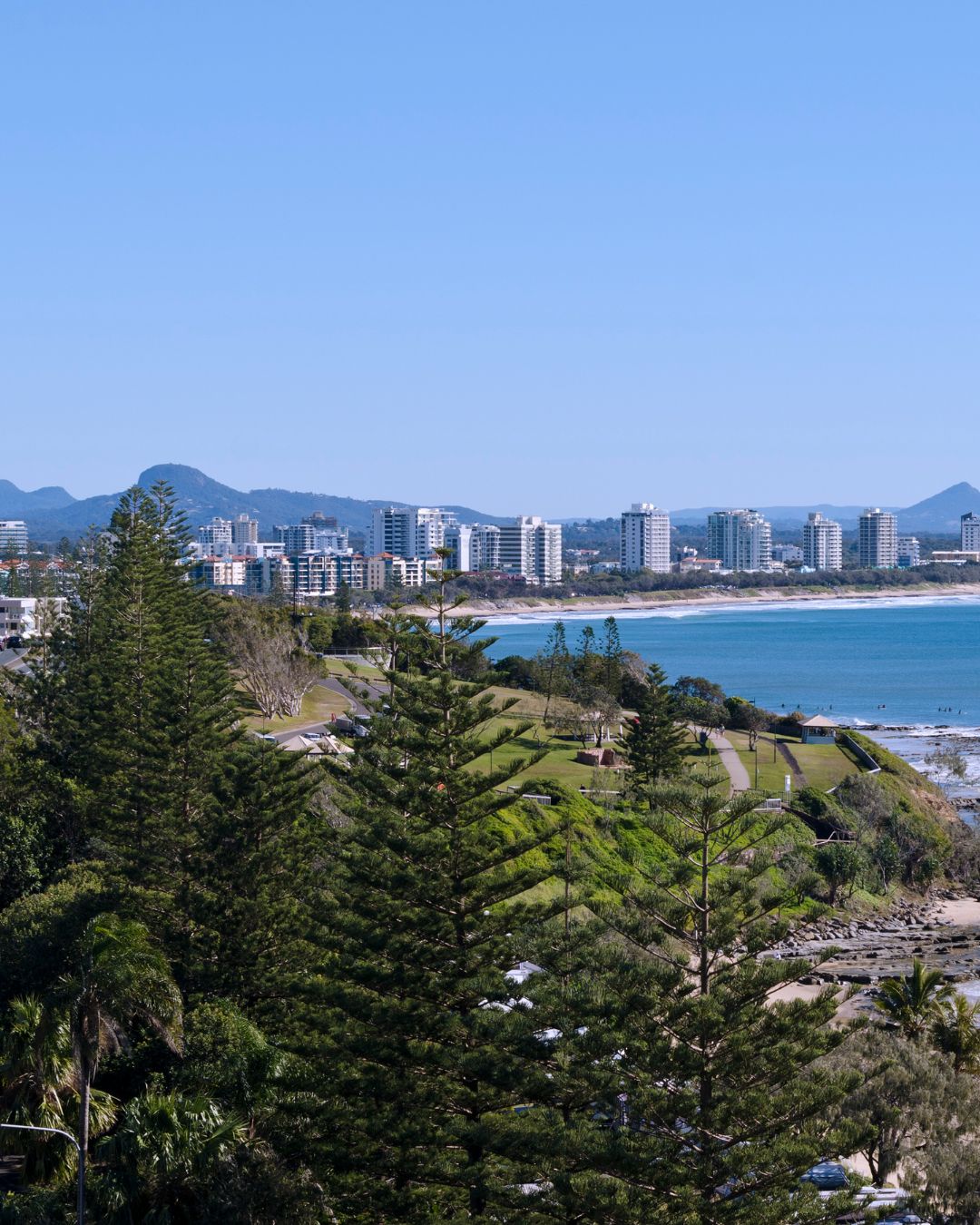
Compared with buying a house in the region, holiday units can provide a more accessible entry point into the Sunshine Coast property market.
While premium beachfront apartments can command high prices, there are still opportunities to purchase well-located units at more moderate price points.

Like any property investment, holiday units come with ongoing expenses.
These can include:
Understanding these expenses upfront is essential to accurately assess your net rental returns.
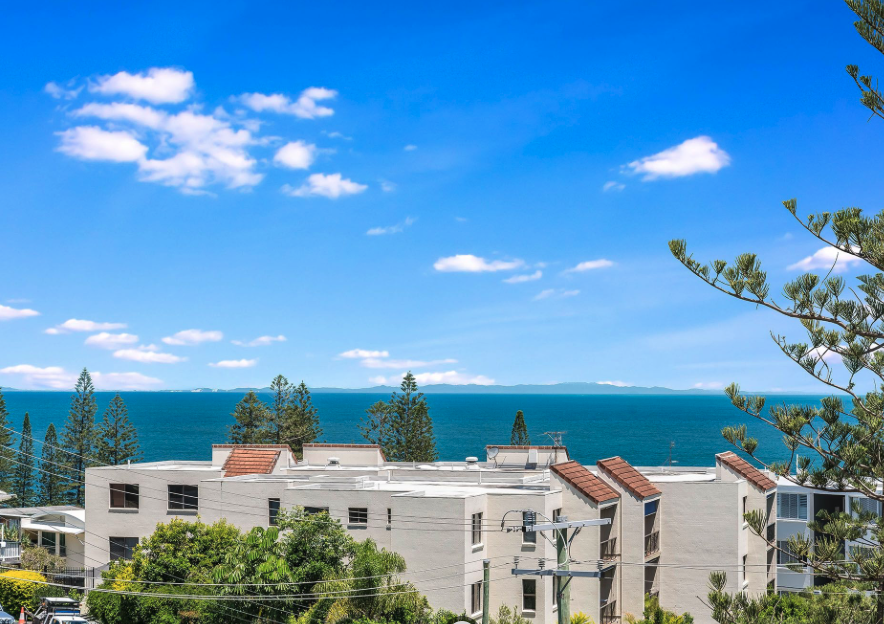
In Queensland, stamp duty is higher for investment properties than for owner-occupied homes.
This means buyers planning to rent their holiday unit will need to factor this into their acquisition costs.
Understanding these expenses upfront is essential to accurately assess your net rental returns.
Unlike long-term rentals, holiday accommodation income can fluctuate.
There may be periods where your property is vacant – particularly outside peak tourism seasons.
Your annual returns will also depend on how often you personally use the property, as every week you stay there is a week it cannot be rented.
Understanding these expenses upfront is essential to accurately assess your net rental returns.
Some councils or apartment complexes limit or restrict short-term letting.
For example, certain buildings in Noosa Council areas may only permit short-stay accommodation in designated complexes.
Before purchasing, always check:
The property price will vary significantly depending on:
Comparing recent sales and current contracts in the same building or suburb is essential to ensure you’re paying fair market value.
Purchase costs
Beyond the property price, buyers should budget for:
For investment properties, stamp duty costs will be higher than for owner-occupied purchases.
Body corporate and sinking fund costs.
Most Sunshine Coast units are part of a body corporate scheme. Fees contribute to maintaining shared facilities such as:
Complexes with extensive amenities typically have higher body corporate costs.
It’s important to review body corporate records to identify:
Furnishing and set up
Holiday units must be fully furnished and guest-ready. Typical setup costs include:
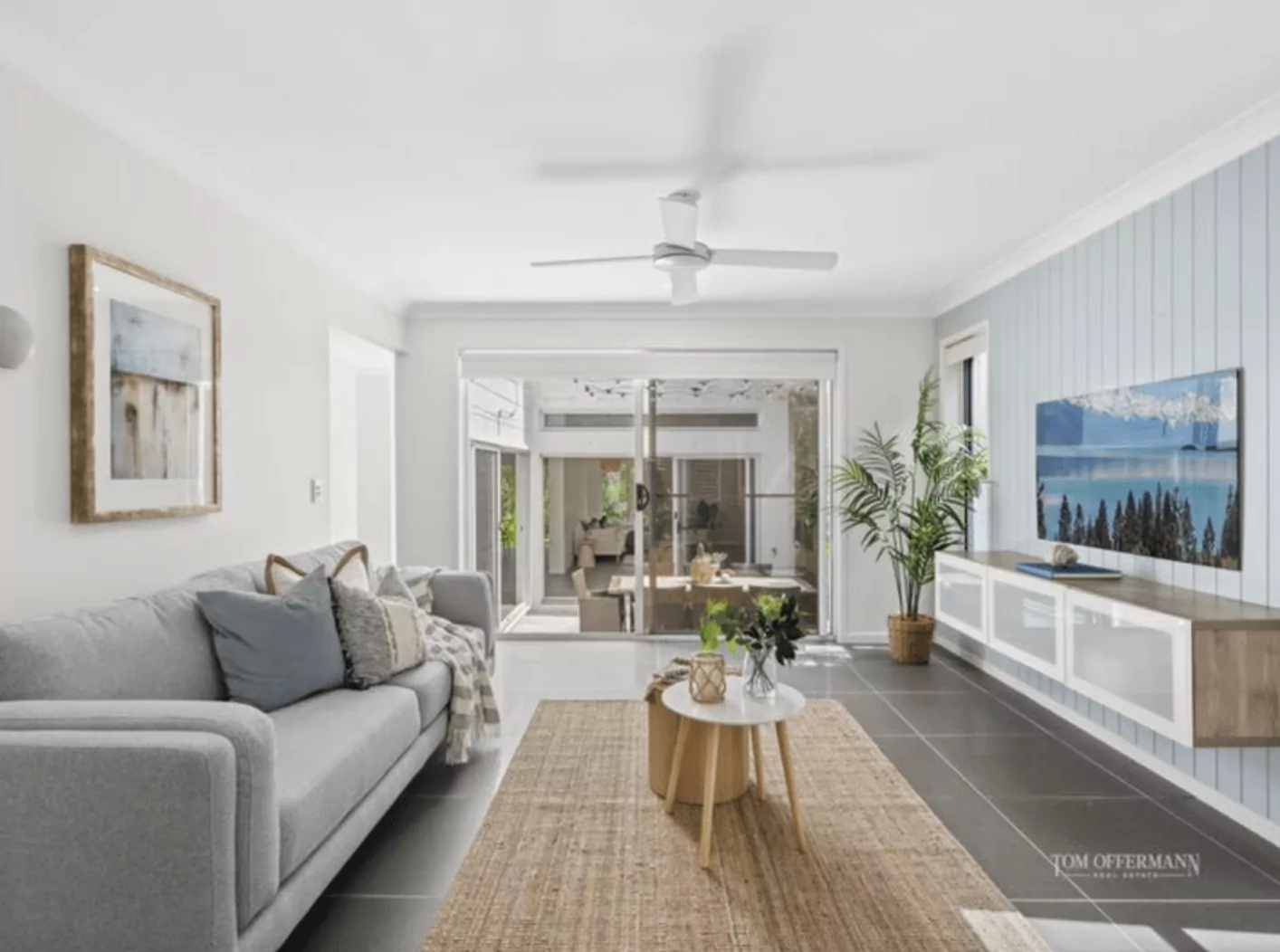
A well-styled property often performs better in short-term rental listings.
Property management
Holiday rentals are usually managed by:
Management fees are generally higher than long-term rental property management, but they typically include guest bookings, cleaning coordination and maintenance.
Insurance
Appropriate insurance is essential for holiday rentals and may include:
This protects against damage, theft and other risks.

Location is one of the most important drivers of both lifestyle enjoyment and rental demand.
Look for properties close to:
Convenience significantly influences guest appeal and booking rates.
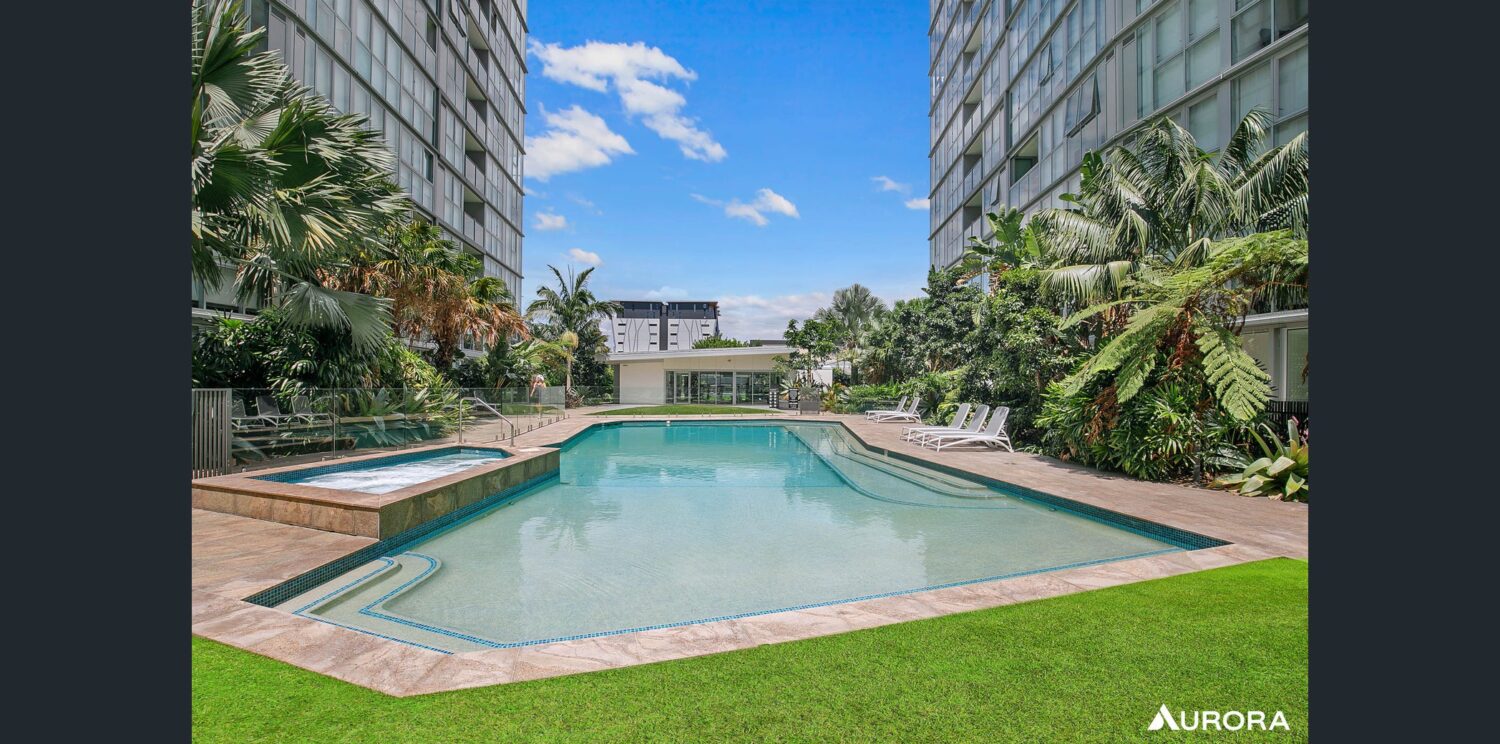
Holidaymakers are often drawn to properties offering resort-style facilities.
Popular features include:
Low-maintenance properties also make ownership easier.
While it can be tempting to chase the lowest price, quality properties in desirable locations tend to perform better long term.
Look at comparable sales and consider factors such as:
For many holiday guests, the view is part of the experience.
Ocean views, river outlooks or leafy surroundings can significantly enhance both:
Security is important for peace of mind when you’re not using the property.
Features to look for include:
For many buyers, the right holiday unit can deliver both lifestyle enjoyment and long-term investment value.
But success depends on choosing the right property in the right location, understanding the costs involved and ensuring the building allows your preferred rental strategy. This is where local expertise can make a significant difference.
At Home Scouts, we help interstate, international and local buyers navigate the Sunshine Coast and Noosa property markets with clarity and confidence.
Our team provides:
If you’re considering buying a Sunshine Coast holiday unit, we’d love to help you find the right property.