If you’ve ever dreamt of living on Queensland’s Sunshine Coast, chances are Noosa has made your shortlist. With world famous beaches, lush national parks, and a relaxed yet sophisticated lifestyle, it’s no surprise this coastal haven is one of Australia’s most sought after property destinations.
But while buying a house in Noosa sounds idyllic, it’s also a competitive and nuanced market. Whether you’re an expat returning home, an interstate relocator chasing lifestyle, or an investor seeking solid growth, it’s essential to understand the local market – and how to buy like a local.
In this guide, we’ll unpack what makes Noosa so special, how the property market is performing, and the key things you need to know before signing a contract.

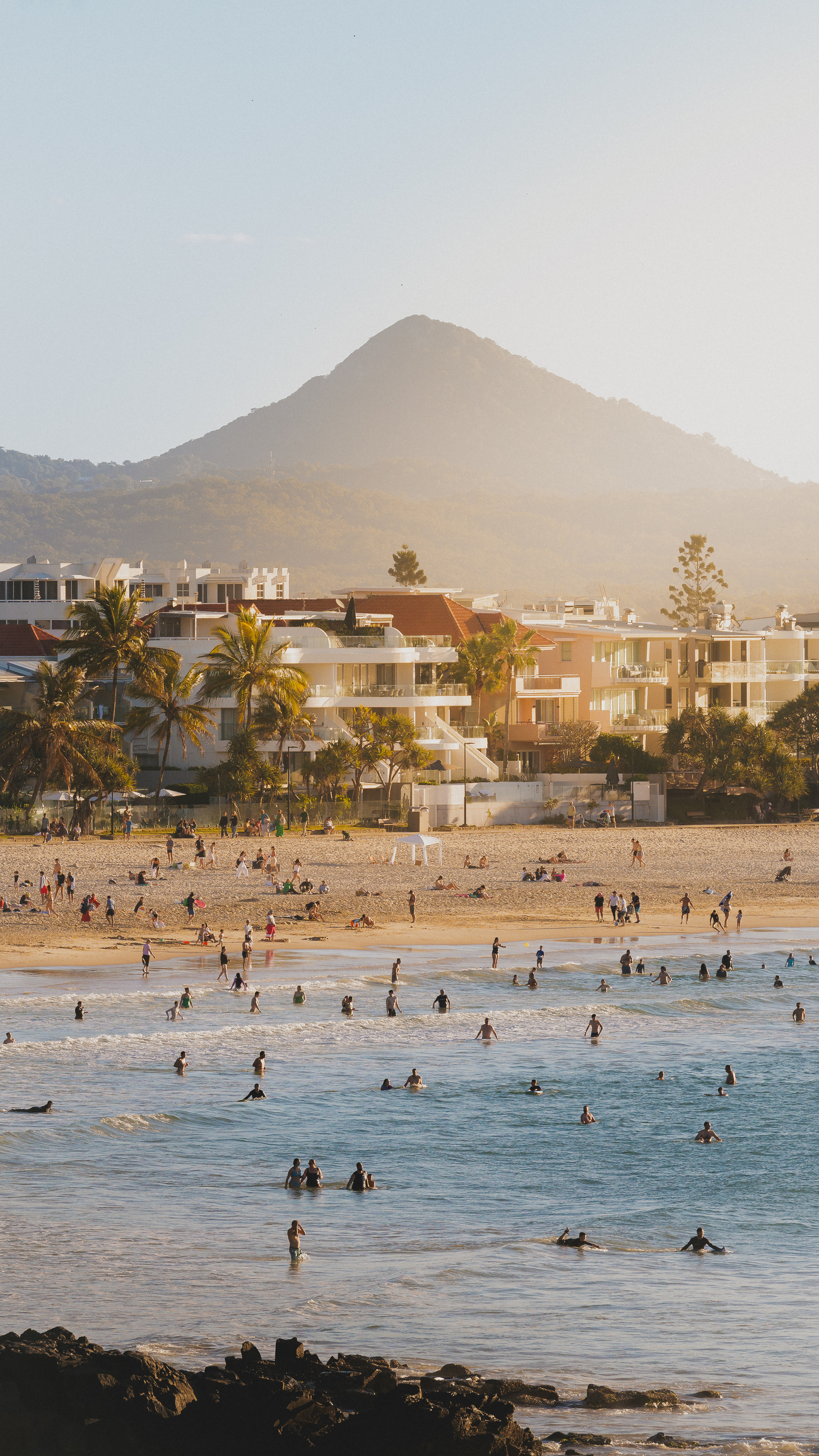
The Sunshine Coast is a coastal region in South East Queensland, stretching from Caloundra in the south to Noosa in the north. It’s known for its subtropical climate, outdoor lifestyle, and strong sense of community.
Unlike busier cities such as Brisbane or the Gold Coast, the Sunshine Coast blends laid-back living with sophistication. Noosa, in particular, is a boutique coastal enclave famous for its pristine beaches, protected national parks, and high-quality amenities.
Here, locals value balance. Mornings might start with a surf at First Point, a walk through Noosa National Park, or coffee along Hastings Street, followed by a day in the office, then sunset at Noosa River. It’s a place where lifestyle isn’t a luxury – it’s the standard.
That’s exactly what draws both families and investors from across Australia and overseas.
The Noosa property market has seen extraordinary growth over the past few years. Even as broader markets have cooled, demand in Noosa has remained strong due to limited land supply, protected zoning, and lifestyle appeal.
Key trends:
Median house prices vary widely between suburbs:
If you’re entering the market, expect strong competition, particularly for properties near the beach, river, or within “Old Noosa” precincts.

Noosa’s property market rewards those who do their homework. Due diligence isn’t just about ticking boxes – it’s about understanding the local conditions, council regulations, and property specifics that can make or break your investment.
Here’s what a thorough due diligence review should include:
Confirm that the property’s zoning aligns with your intended use. For instance, short-term letting rules in Noosa are strict. If you plan to Airbnb, check whether the property can obtain Noosa Council’s short-stay letting approval.
Queensland’s climate – humidity, heat, and proximity to vegetation – means building and pest inspections are non-negotiable. They can uncover hidden damage, termites, or moisture issues that could become costly later.
Check Noosa Council’s flood maps and environmental overlays. Some riverside and low-lying areas, particularly near Lake Weyba or the Noosa River, can be subject to flooding or vegetation restrictions.
If you’re buying into a complex, request a full body corporate disclosure. Review sinking fund forecasts, upcoming special levies, and any disputes.
Visit at different times of the day and week. A property that feels quiet midweek might back onto a busy weekend thoroughfare or popular Airbnb hub. Locals know these subtleties – and they matter.
For investors, obtain a rental appraisal from a local property manager. Holiday rental potential can vary dramatically depending on street, outlook, and accessibility.
Proper due diligence ensures your Noosa purchase is not just beautiful – but smart, compliant, and sustainable for the long term.
Each pocket of Noosa offers a different lifestyle and price point. Here’s a quick local snapshot if you’re thinking of buying a house in Noosa:
Buying a house in Noosa isn’t like buying anywhere else. Here’s what locals and seasoned buyers know:
Many premium homes are sold quietly through networks rather than public listings. Working with a buyer’s agent gives you early access and negotiation power.
Noosa’s market often peaks in spring and can be slower in summer over the Christmas break. For more negotiation leverage, consider purchasing during quieter months (May-August).
With limited stock and high demand, quality properties often sell quickly. Having finance pre-approved and due diligence systems in place is key.
Ask yourself how you’ll live in the home. Is it walkable to the river or cafes? Does it catch afternoon breezes? These lifestyle factors drive long-term satisfaction – and resale appeal.
Noosa Shire Council maintains a strong stance on sustainable development. Understand zoning, noise, and short-term letting rules before committing.
Yes – but it depends on your strategy.
If you’re looking for quick gains, Noosa’s tightly held nature means turnover is low. However, for long-term capital growth and lifestyle value, it’s one of Australia’s most resilient regional markets.
Key advantages for investors:
As always, seek independent advice and partner with local experts who understand the micro-markets.
Median figures are from our Spring 2026 Sunshine Coast price guide. Prices vary widely by street, property type and condition.
With strong market fundamentals, unmatched lifestyle appeal, and limited supply, Noosa remains a blue-chip coastal market. But buying a house in Noosa well requires more than enthusiasm – you need insight.
At Home Scouts, we help clients buy like locals – with full due diligence, market analysis, and on-the-ground support from search to settlement.
If you’re thinking about buying a house in Noosa or the Sunshine Coast, reach out today. We’d be happy to help you buy with confidence.